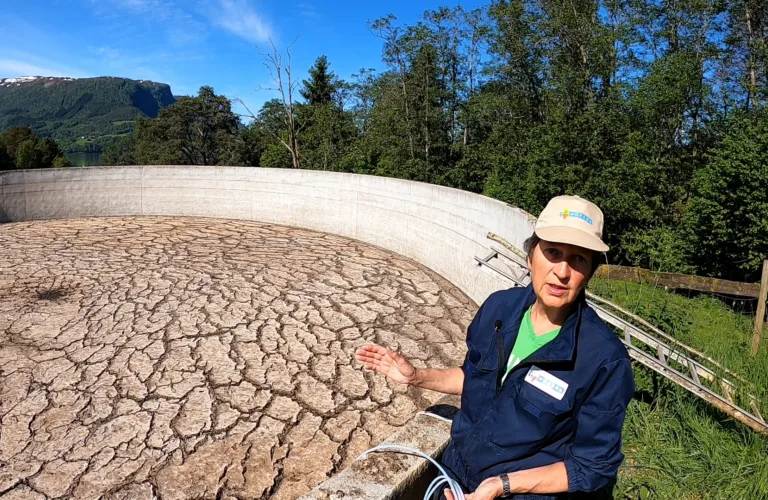
Reducing emissions of greenhouse gases from cattle slurry stores
Agriculture is under pressure to reduce its emissions of greenhouse gases (GHG). In this project we are studying different ways of reducing GHG emissions from cattle slurry stores.
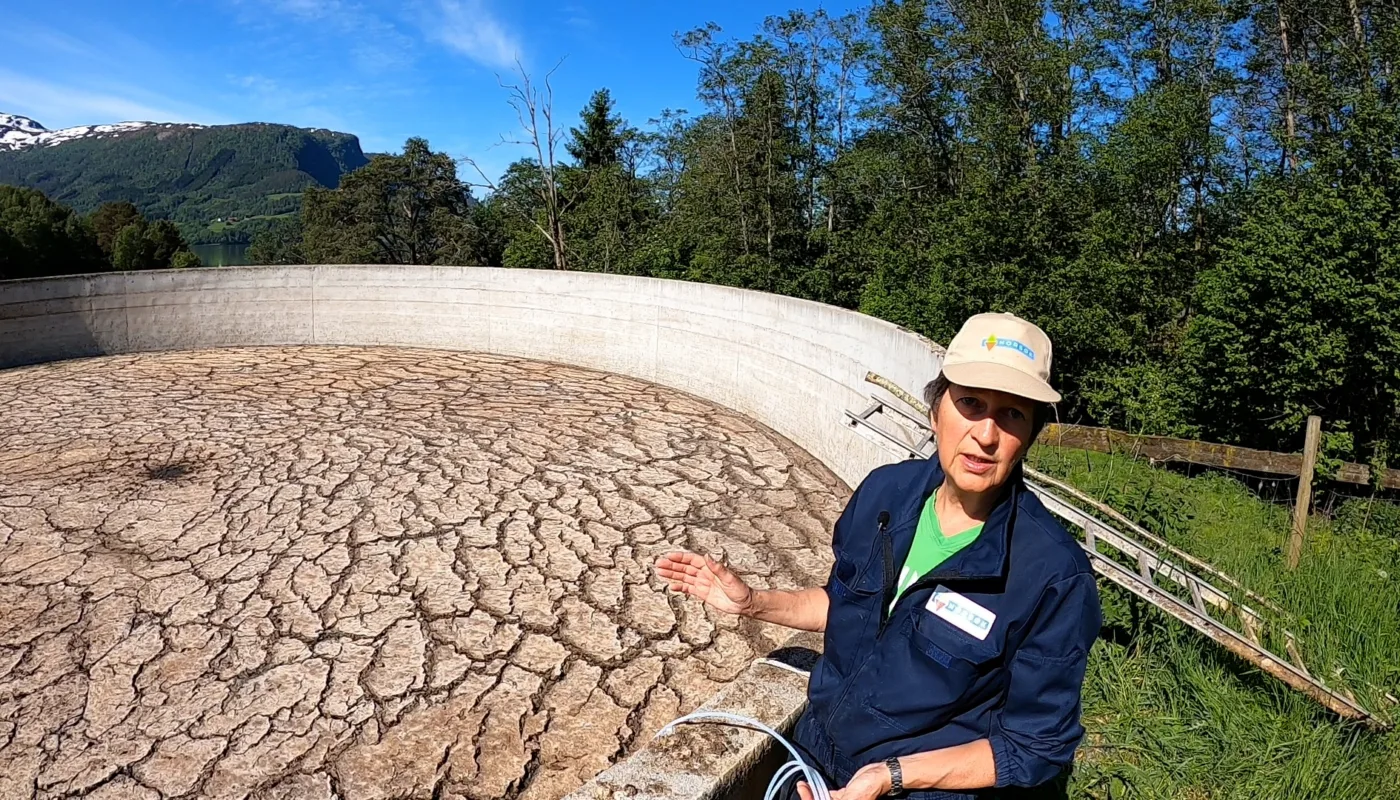
We will assess the main factors affecting GHG emissions from cattle slurry under conditions prevailing in Norway. Slurry temperatures will be recorded at three sites for each of the following types of slurry stores: 1. Manure cellar under slatted floor; 2. Manure cellar under solid floor; 3. External slurry store without cover, fresh slurry fed from top; 4. External slurry store without cover; fresh slurry fed from bottom or stores to which no new slurry is added once the tank has been filled (satellite storage); 5. Covered store and fresh slurry fed from bottom; 6. Final storage of digestate.
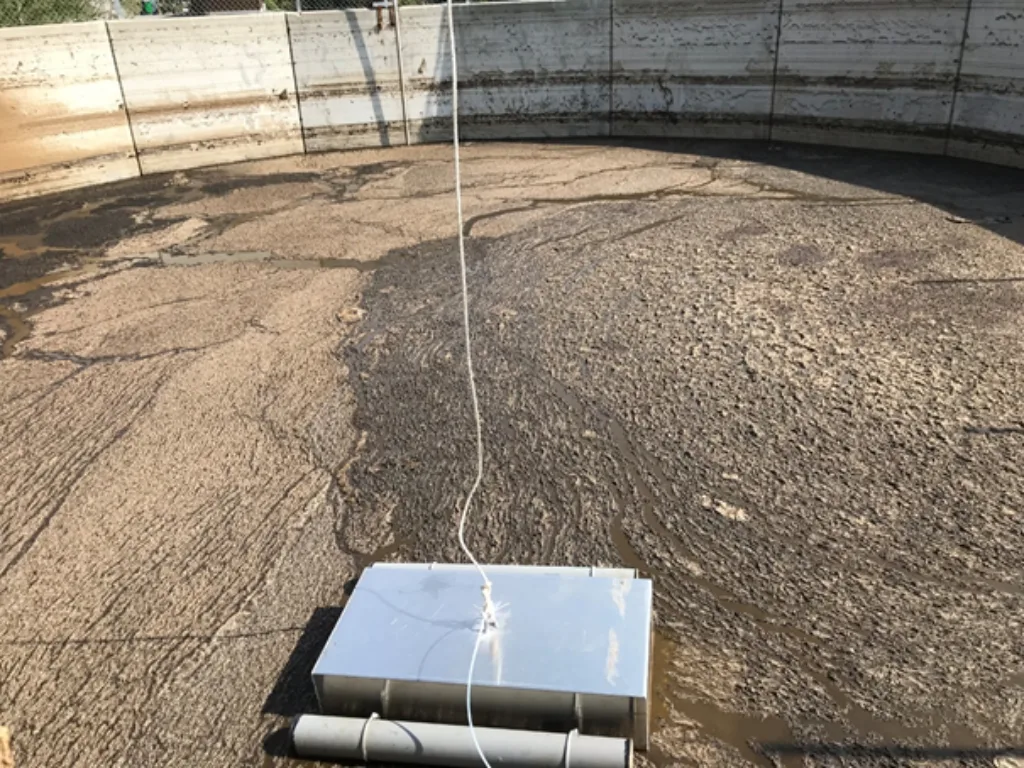
In two stores each of the types 1,3,5 and 6, emissions of the greenhouse gases nitrous oxide (N2O) and methane (CH4) will also be measured. NORSØK will compile all results from the project in a report. Based on this report, information material, lectures and videos will be prepared to facilitate their use by the various stakeholders. In addition, the results will be communicated via the information channels of the project partners.
Project Details
Project details
| Project number: | 2020/72611, Agros 138337 |
|---|---|
| Project owner: | NORSØK |
| Project coordinator: | Sissel Hansen |
| Project staff NORSØK: | andVegard Botterli |
| Project partners: | andLandbruk Nordvest |
| Funding: | Norwegian Agriculture Agency |
| Project period: |
Publications
No publications found