Control of Broadleaf Dock: Organic Strategies Against Weeds in Norwegian Agriculture
Broadleaf dock is a perennial and highly competitive weed that presents challenges for farmers across Norway, particularly in Møre og Romsdal and other livestock and grassland regions. The project “Strategies for Non-Chemical Control of Broadleaf Dock in Organic and Conventional Farming” explores alternative methods to manage this weed, aiming to provide eco-friendly solutions for farmers in both organic and conventional agriculture.
A stubborn enemy for farmers
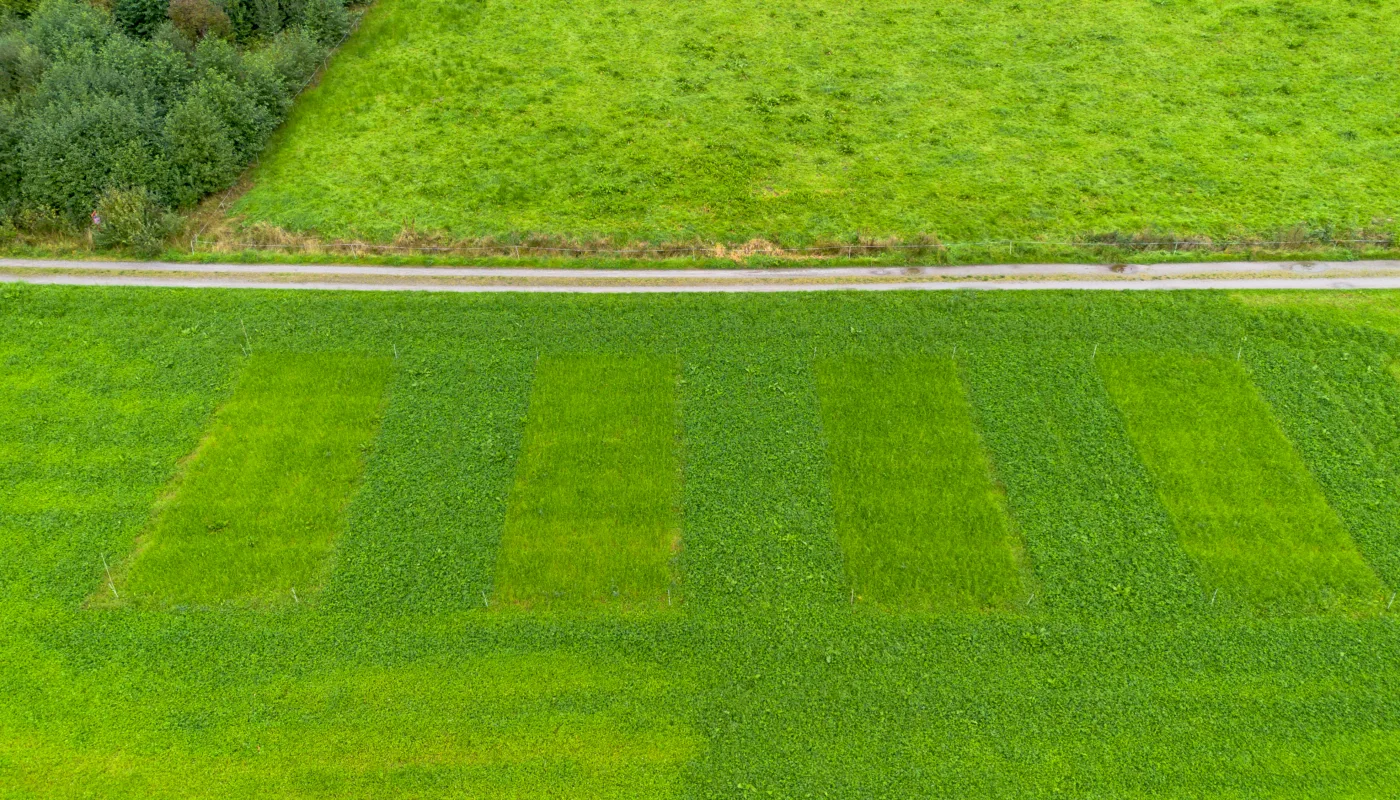
Broadleaf dock is a resilient plant that can grow up to 130 cm tall and produce approximately 9,000 seeds per plant. The seeds can remain viable for many years and spread through both soil cultivation and manure, making it difficult to control. In organic farming, where chemical herbicides are not permitted, managing broadleaf dock is especially challenging, potentially reducing yields and impacting farmers’ incomes.
Improving organic practices and reducing chemical use in conventional farming
Broadleaf dock thrives in nutrient-rich, often wetter soils, and it is believed that a warmer and wetter climate may give the plant further competitive advantages. In conventional farming, chemical herbicides are commonly used against broadleaf dock, but this method can reduce biodiversity and pollute the environment. There is therefore a pressing need for new, sustainable, non-chemical alternatives.
Development of a practical guide
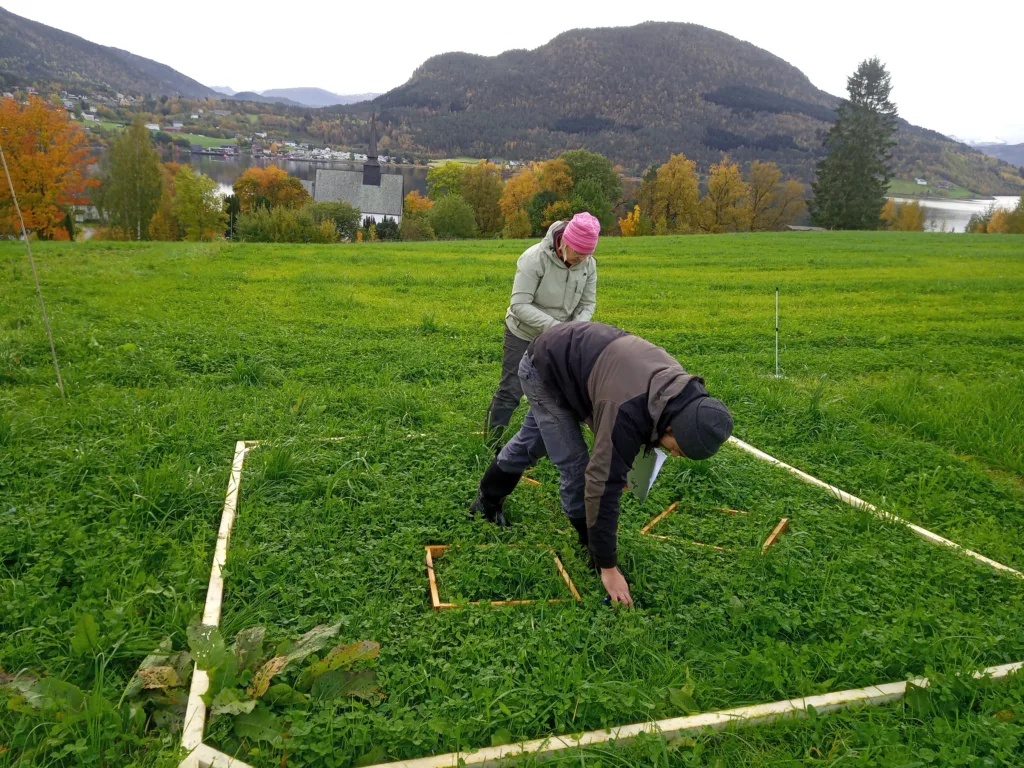
The project will employ literature reviews, field surveys, and case studies to understand the characteristics of broadleaf dock, farmers' needs, and effective control strategies. The goal is to develop a guide for farmers and advisors, providing practical and research-based knowledge to improve control of broadleaf dock.
Less Weed, More Organic Farmers?
This project also supports Møre og Romsdal’s ambition to become “Environmental County No. 1” and increase the share of organic farming. The project’s results will equip farmers with knowledge to manage broadleaf dock in ways that promote sustainability, reduce environmental emissions, and improve soil quality. In the long term, such solutions could make it easier for more farmers to consider organic practices, while strengthening the competitiveness and environmental profile of Norwegian agriculture.
Partners and Expertise
Norwegian Agricultural Advisory Service (NLR) is a project partner, and NMBU contributes with expert knowledge.
Project Details
Project details
| Project owner: | NORSØK |
|---|---|
| Project coordinator: | Rådgiver |
| Project staff NORSØK: | andKristian Hansen |
| Project partners: | Norwegian Agricultural Extension Service |
| Funding: | Møre and Romsdal County Council, Ministry of Agriculture and Food, |
| Project period: |