Natural biomass and microbial biocontrol agent solutions for the replacement of contentious Inputs in organic farming
In organic production, there is still extensive use of undesirable inputs, such as copper, sulfur, and mineral oil in plant protection products, livestock manure and other fertilisers from conventional farming, and synthetic antibacterial and antiparasitic agents for animals. BIO2 aims to replace these inputs with bio-based and circular alternatives. In doing so, BIO2 seeks to make organic farming more robust, profitable, and climate friendly.

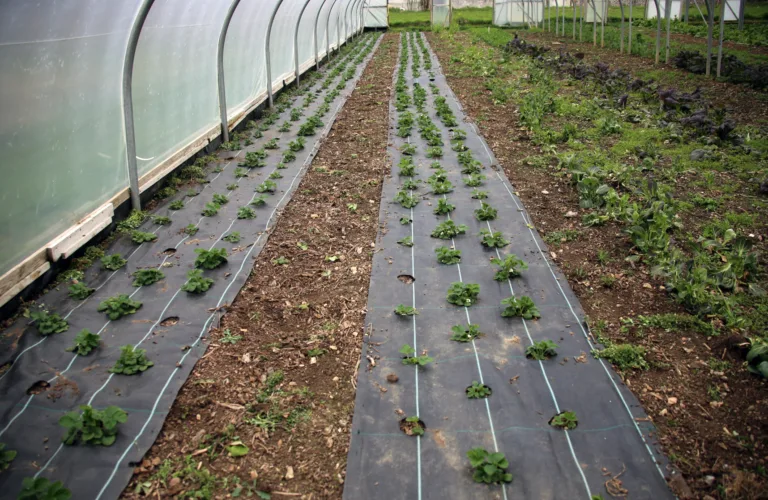
Encapsulated biocontrol agents and microalgae-based fungicides
The project will utilize technology where beneficial yeast and bacterial strains are encapsulated in natural, bio-based materials. This encapsulation protects the microorganisms from external stress and makes them more effective in combating plant diseases. Furthermore, BIO2 will test whether microalgae can have a fungicidal effect on plants. It is important to reduce the use of copper and sulfur preparations, which are toxic to insects, soil fauna, and aquatic animals. Two work packages will collaborate to develop relevant products and test them in practice.
Circular fertiliser products
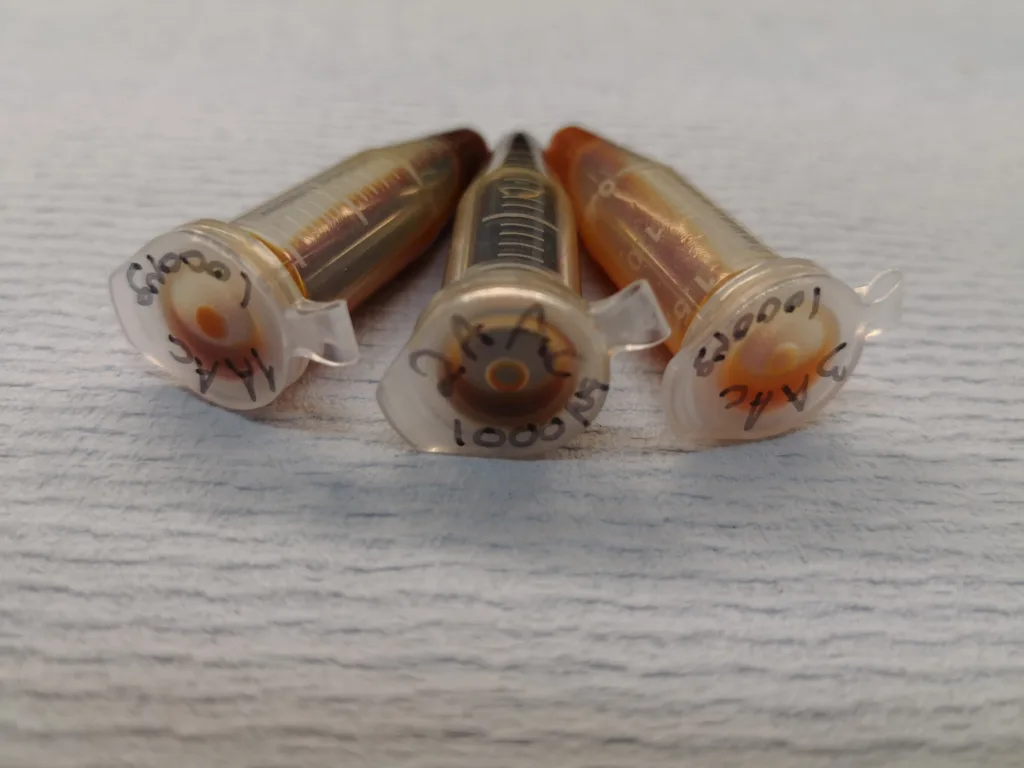
To replace fertilisers from conventional production, we will investigate and combine marine residual materials and recycled human urine. Relevant fertiliser ingredients will be combined with microorganisms that can make nutrients more available. The goal is to tailor fertiliser types with low environmental impact that meet the needs of plants in organic cultivation. Here too, one work package will develop products up to commercial scale, while another will test them in practice.

Natural alternatives to antibiotics and antiparasitic agents
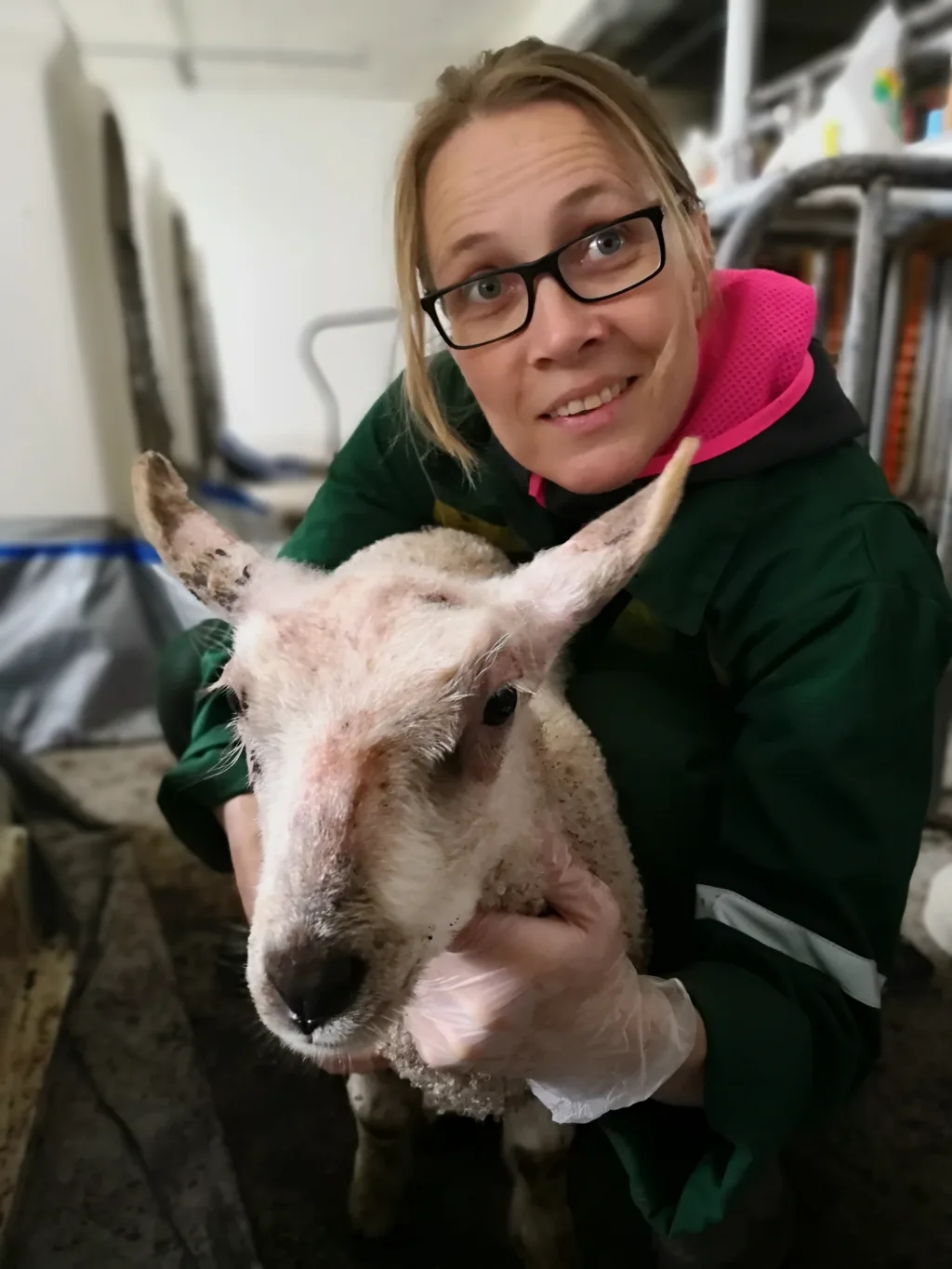
There is a serious public health risk as both antibiotics and antiparasitic drugs are losing their effectiveness. By using inactivated mycobacteria and active compounds extracted from bark, BIO2 will develop alternative products that strengthen animals’ immune systems and help combat parasites. This will help prevent further resistance development to antibiotics and antiparasitic agents. Berit Blomstrand at NORSØK will lead the work package where these agents are developed and produced. The agents will then be tested in practice in a second work package.
Project implementation
The new solutions will be tested alongside current methods and practices. At the same time, researchers will assess environmental impact, raw material availability, cost, and regulations, and farmers, industry, and consumers will be involved to ensure acceptance.
What do we aim to achieve with the project?
The BIO2 project is an “innovation action” funded by the EU’s Horizon Europe research and innovation programme. The goal of this type of project is to move closer to industrial production and practical use of inputs than previous EU projects in this area, such as RELACS and Organic-PLUS. NORSØK participated in Organic-PLUS (2018–2022), also focusing on bark extracts and marine fertilisers. BIO2 provides a good opportunity to continue working with these materials.
BIO2 will establish value chains with advanced processing of natural raw materials to provide organic farmers with safer and greener tools. This will enable them to produce high-quality food and healthy animals with good welfare, while reducing emissions and environmental impact.
During the project period, BIO2 aims to develop at least one commercial plant protection product, two circular fertiliser products, and one antiparasitic agent for livestock.
European collaboration
BIO2 involves 20 partners from 8 countries, including research institutions, universities, and industry. The project is led by Alessio Adamiano at CNR, Italy. Other participating countries are Bulgaria, Latvia, Norway, Spain, Sweden, Germany, and Austria. Norway has many participants, including NORSØK, NOFIMA, NIBIO, Grønn Gjødsel AS, and NLR.
Project Details
Project details
| Project number: | Horizon Europe research and innovation programme, contract no. 101181331 |
|---|---|
| Project owner: | Consiglio Nazionale delle Richerche (Italy) |
| Project coordinator: | Alessio Adamiano, CNR |
| Project staff NORSØK: | andBerit Blomstrand |
| Project partners: | and Norwegian Agricultural Extension Service |
| Funding: | EUs Horizon Europe research and innovation programme |
| Project period: |
Publications
No publications found