Overvåking av metanutslipp fra lager for bløtgjødsel og biorest
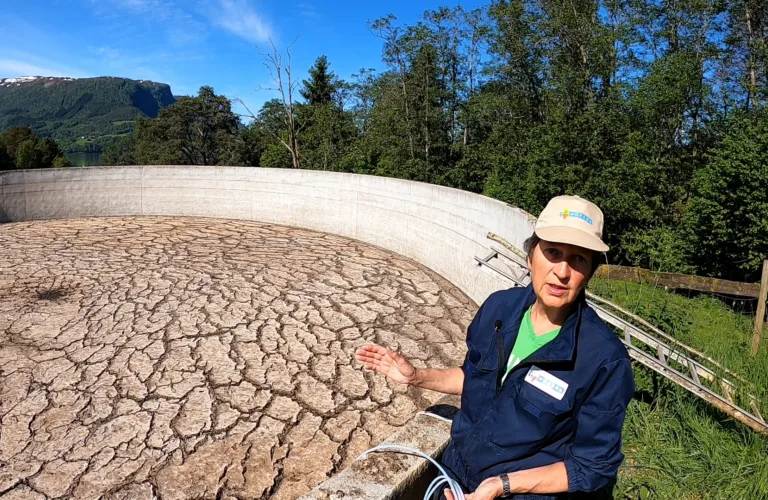
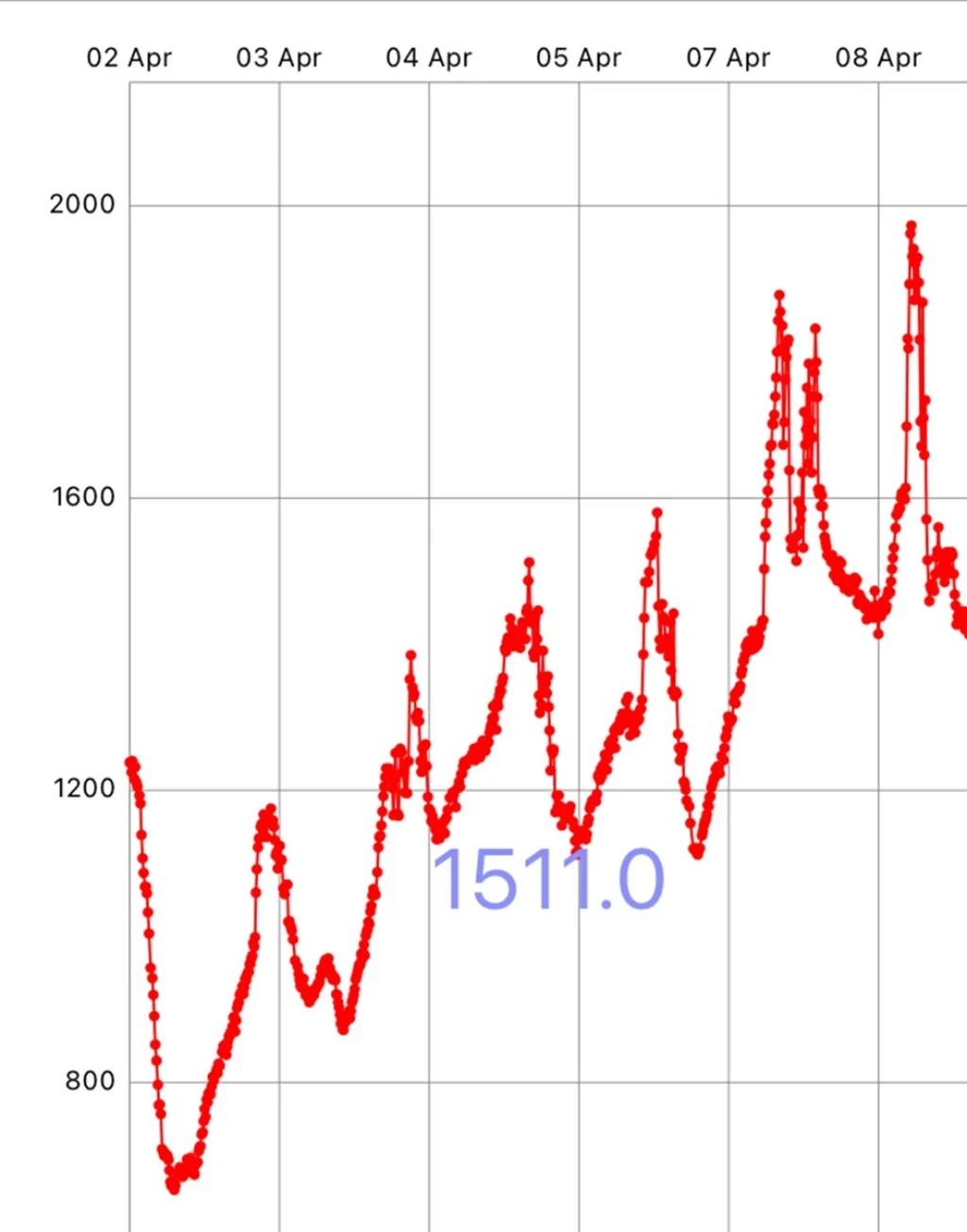
In the project, we are investigating whether methane sensors can be used to record and monitor emissions of methane from slurry storage. The project is a collaboration between NORSØK, NMBU and selected farmers.
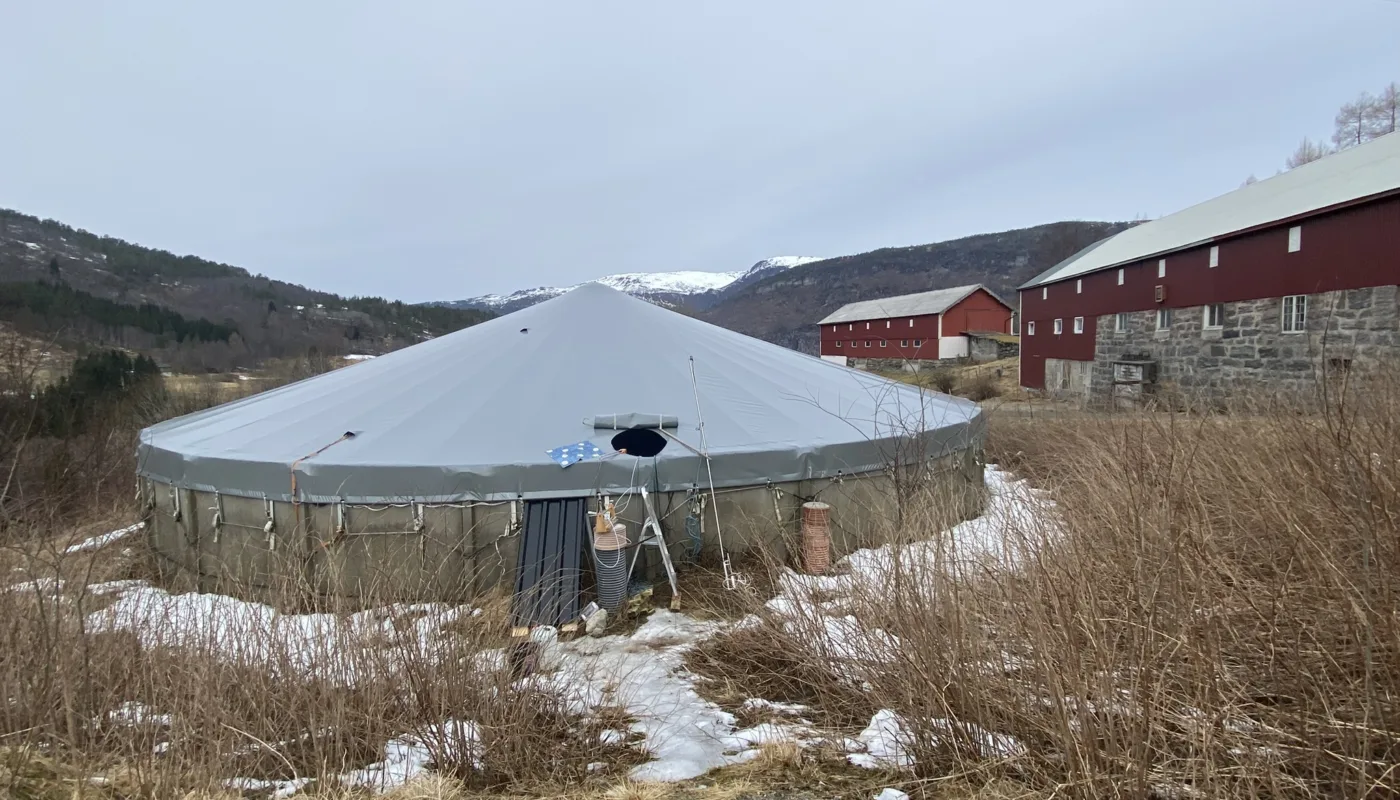
Methane emissions: Sensors will be placed over cattle slurry to continuously measure emissions of methane, a potent greenhouse gas. (Photo: NORSØK)
Main objective
Improve the basic data for calculating emission factors for methane (CH4) emissions from cattle slurry and digestate storage for use in the Norwegian greenhouse gas inventory.
Key results
- Develop techniques for monitoring the amount of methane emissions from cattle slurry and digestate storage without the use of costly, time-consuming chamber methods
- Continuous monitoring of methane emissions from storage of untreated cattle slurry and digestates on dairy farms
- Contribute data for calculating emission factors for methane emissions from slurry/digestate storage to the Norwegian greenhouse gas inventory
- First , continuous monitoring of methane concentrations in barns
- Sharing knowledge aimed at reducing methane emissions from slurry storage on Norwegian farms
Project milestones
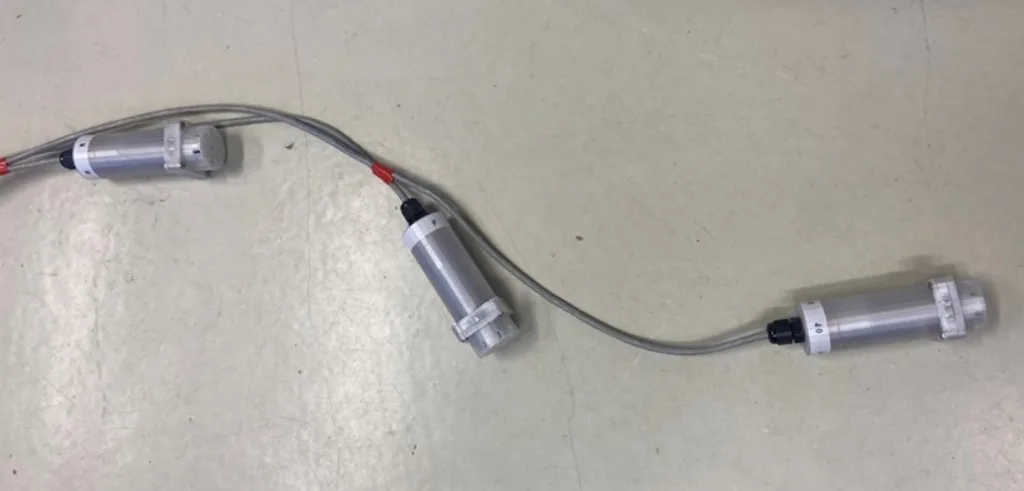
- Development / adaptation of methane sensors for on-farm application
- Sensor-based methodology for monitoring methane emissions
- Testing new methane measurement methodologies at selected slurry storage sites
- Testing methane sensors in cattle barns
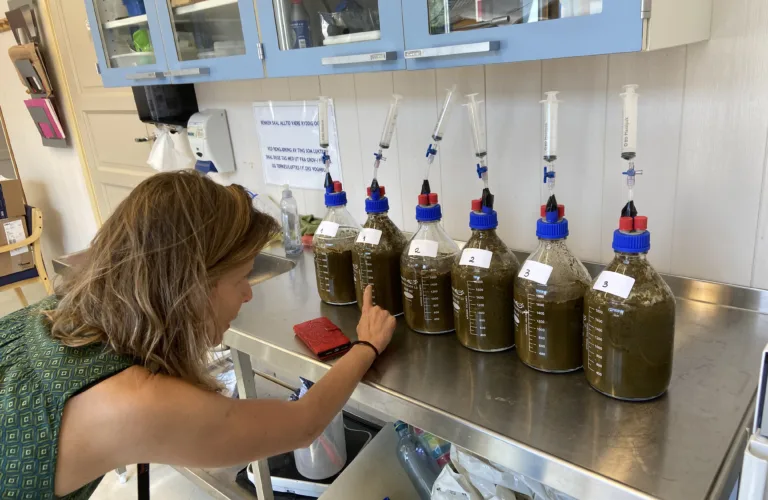
- Incubation experiments for calculating methane emissions
Measurements made with methane sensors will be compared with measurements made using chamber-based methods (SkitGass).
Project Details
Project details
| Project coordinator: | Sissel Hansen |
|---|---|
| Project staff NORSØK: | andVegard Botterli |
| Project partners: | Norwegian University of Life Sciences |
| Funding: | Norwegian Agriculture Agency |
| Project period: |